
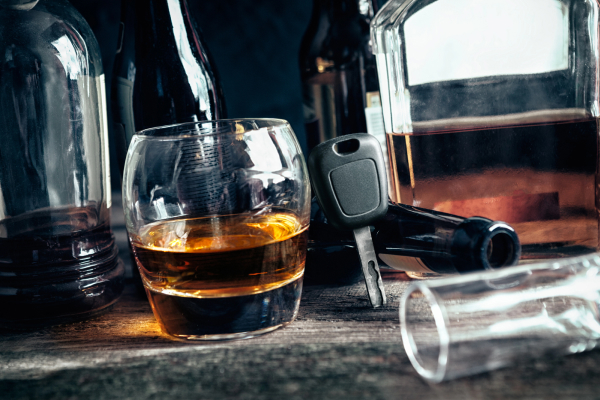
Getting your driver's license suspended or revoked after a DUI can have a major impact on your daily life. It can prevent you from driving to work, running errands, or even attending appointments. Perlman & Cohen understands the challenges that come with DUI charges and how important it is to protect your driving privileges.
Our legal team helps individuals who are facing license suspension or revocation after a DUI arrest. With our experience, we can guide you through the process and fight for the best possible outcome. Whether you're dealing with a first offense or multiple offenses, we’ll ensure that your rights are protected every step of the way.
If you’ve been convicted of driving under the influence, you may face a driver's license suspension or revocation. Perlman & Cohen helps people understand the legal process and get the help they need during this difficult time.
When facing consequences for a DUI, it's important to understand the difference between license suspension and revocation. These two penalties have different impacts on your ability to drive, and knowing the difference can help you prepare for what’s to come.
Here are the explanations for each term and what they mean for your driving privileges:
A license suspension means that your driver's license is temporarily taken away. After the suspension period ends, you can apply to have your license reinstated, though you may need to meet certain requirements, such as completing an alcohol education program or installing an ignition interlock device (IID). The length of the suspension varies depending on the severity of the offense and your driving record.
License revocation is more serious than suspension. If your license is revoked, it means your driving privileges are completely taken away for a longer period, or even permanently in some cases. To get your license reinstated, you may have to wait for a specified time, meet specific legal requirements, and apply for a new license once you’re eligible. A revocation is usually the result of repeated DUI offenses or serious violations.

In California, the process for license suspension or revocation begins as soon as you are arrested for a DUI. If you are convicted, the court will decide the length of the suspension or revocation based on your driving history, the severity of the DUI, and whether there were any aggravating factors.
Here are the steps involved in the process, from arrest to potential license reinstatement:
When you are arrested for a DUI, California law automatically suspends your license. This happens whether you are guilty or not.
However, you can challenge this suspension by requesting a hearing with the DMV. If you don’t request the hearing in time, the suspension becomes permanent. You can also face an additional suspension if convicted in court.
If you are convicted of a DUI, especially after multiple offenses, your license may be revoked for a longer period. Unlike a suspension, revocation means that your license is completely taken away.
After the revocation period ends, you may need to go through a process to apply for a new license. A DUI conviction can also result in criminal penalties, which may include fines or mandatory alcohol treatment.

The duration of license suspension or revocation in California depends on the number of offenses and the severity of your DUI charge. First-time offenders face a shorter suspension than repeat offenders. If there are aggravating factors, like a high blood alcohol content (BAC) or an accident, the penalties can be even more severe.
Some of the general guidelines for different situations include:
For a first offense, the suspension period is usually around 4 months. However, you may be eligible for a restricted license after a portion of the suspension period is served, especially if you install an ignition interlock device.
Completing DUI education programs and complying with court orders can help reduce the suspension period.
If you’ve been convicted of multiple DUIs, the suspension or revocation period can be much longer. After a second DUI offense, the suspension could last up to 1 year.
For a third offense, your driving privileges could be revoked for several years, and you may have to meet strict conditions to get your license reinstated.
If there are aggravating factors involved, such as a high BAC, reckless driving, or causing an accident, your license suspension or revocation could be more severe.
For example, if your BAC was over 0.15%, the suspension period could be longer. A DUI with a child passenger or causing serious bodily injury could also result in more severe consequences.
In California, it is possible to reinstate your license after a suspension or revocation, but the process depends on the specific circumstances. You may need to meet specific conditions to be eligible for reinstatement of your driving privileges. These conditions might include attending DUI education programs, paying fines, and installing an ignition interlock device.
A few of the steps to get your license reinstated include:
A DMV hearing plays a crucial role in the process of reinstating your driving privileges after a DUI arrest. During the hearing, you can challenge the suspension or revocation of your license. Having an experienced attorney represent you at the hearing can increase your chances of reducing the suspension period or getting the suspension lifted altogether.

In California, refusing to take a chemical test during a DUI arrest carries significant penalties. Under the state's implied consent laws, you are required to submit to a chemical test (breath, blood, or urine) when asked by law enforcement. Refusing the test can lead to automatic license suspension and other penalties.
Here are the consequences of refusing a chemical test:
California’s implied consent law means that by driving on state roads, you automatically consent to chemical testing if law enforcement suspects you are under the influence. Refusing to take the test can result in automatic penalties, including license suspension.
If you refuse to take a chemical test after a DUI arrest, your driver’s license will be automatically suspended for one year for a first offense and longer for subsequent offenses. Additionally, the refusal can be used against you in court to show that you were trying to avoid a DUI conviction.
You can challenge the refusal charge at a DMV hearing, but it can be difficult to win. A DUI attorney can help you understand the legal options and defend against the refusal charge, potentially reducing or avoiding penalties.
In some cases, California allows drivers with a suspended license to apply for a restricted license or hardship permit. This allows them to drive under certain conditions, such as driving to work or school.
Here are the conditions for obtaining a hardship permit or restricted license:
To be eligible for a hardship permit, you must show that you need to drive for specific purposes, such as work, school, or medical appointments. You may need to install an ignition interlock device and complete a DUI education program.
A restricted license allows you to drive only for certain activities, such as work or school, during the suspension period. You may also be required to install an ignition interlock device in your car, depending on the circumstances of your DUI conviction.
Yes, in certain situations, you may receive a temporary license that allows you to drive until your DMV hearing date. The notice from the officer at arrest usually explains how long it lasts.
For a first offense, the minimum suspension can be six months. For a third offense or more, the suspension can last much longer, sometimes nine months or even years.
Yes, under implied consent laws, a person must submit to a breath test, urine test, or blood test if suspected of driving under the influence of alcohol or drugs.
A DWI conviction with an elevated blood alcohol content can result in longer suspension, higher fines, an interlock restriction or interlock requirement, and possible criminal penalties depending on the circumstances.
You must complete all court-ordered service, pay fees, and provide proof of program completion. In certain situations, the DMV will determine if you’re eligible for reinstatement after failing to meet earlier requirements.

Facing license suspension and revocation after a DUI can affect every part of your daily life, from getting to work to taking care of your family. A temporary license suspension may seem minor, but even short periods without the ability to drive can create serious stress and long-term consequences.
Perlman & Cohen understands how important your driving privileges are, and we are committed to protecting your rights. Our attorneys know the laws surrounding motor vehicles in California and how the DMV determines penalties for DUI cases. We guide you through the legal process, explain your options clearly, and help reduce penalties wherever possible.
From challenging a suspension to helping with reinstatement after payment and program completion, our team works hard to get the best outcome. Contact us today to discuss your case and protect your future.
"*" indicates required fields


If you or a loved one needs the assistance of our criminal law attorneys, please feel free to contact us in the way that is most convenient to you, whether that is calling us at (310) 557-1700 or completing the contact form below. All fields are required.

