

DUI checkpoints in Los Angeles are roadside stops where law enforcement checks drivers for impaired driving, including alcohol or drug use, to reduce traffic accidents and improve public safety. These sobriety checkpoints are common across Los Angeles County and follow strict rules under California DUI laws.
If you were stopped or arrested, you should act quickly and speak with a DUI lawyer. Contact Perlman & Cohen Los Angeles Criminal Lawyers at (310) 557-1700 today.
Perlman & Cohen Los Angeles Criminal Lawyers helps you understand your rights, review what happened at DUI checkpoints, and build a strong defense with an experienced legal team that knows how law enforcement and prosecutors handle DUI cases, so you can protect your license, your record, and your future with clear legal guidance.
What Are DUI Checkpoints in Los Angeles?
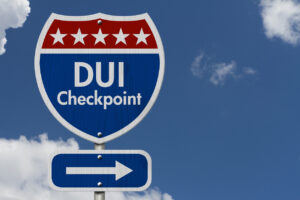
DUI checkpoints, also called sobriety checkpoints, are planned stops where law enforcement officers briefly stop vehicles to check for impaired driving, verify a driver’s license, and observe signs of intoxication or drug use, including alcohol, prescription medications, over-the-counter drugs, or recreational marijuana.
Purpose of Sobriety Checkpoints
DUI checkpoints are designed to improve public safety by reducing impaired driving and preventing accidents, thereby protecting drivers, passengers, and pedestrians across Los Angeles County.
They are part of traffic safety programs supported by agencies like the California Office of Traffic Safety and the National Highway Traffic Safety Administration.
The main purposes include:
- Reduce DUI-related crashes and traffic accidents
- Deter drunk driving and impaired driving behavior
- Increase public safety awareness
- Identify drivers under the influence of alcohol or drugs
- Support ongoing enforcement practices and DUI patrol areas
How DUI Checkpoints Work
At a DUI checkpoint, officers follow a neutral stopping pattern, such as stopping every third or fifth vehicle, and briefly speak with drivers while checking for signs of impairment, such as slurred speech or the smell of alcohol.
If no signs are present, drivers are released quickly. If suspicion arises, further testing may be required.
Are DUI Checkpoints Legal in California?
DUI checkpoints are legal under California DUI laws when they follow strict guidelines set by court decisions and enforcement standards, which means law enforcement must balance public safety with individual legal rights under the Fourth Amendment.
Legal Basis (Ingersoll v. Palmer)
The California Supreme Court case Ingersoll v. Palmer allows DUI checkpoints as long as they meet specific legal requirements, which ensure fairness and protect drivers from arbitrary stops. This case sets the legal foundation. It defines how checkpoints must operate.
Requirements for Lawful Checkpoints
DUI checkpoints must follow clear rules to remain lawful under California law, which helps ensure fairness and prevent abuse of police power.
These requirements include:
- Advance public notice through police announcements or social media sources
- Neutral stopping pattern with no random stops
- Clear warning signs, flashing lights, and marked police vehicles
- Presence of uniformed officers
- Reasonable location and duration based on traffic patterns and safety
Balancing Public Safety and Individual Rights
DUI checkpoints must balance the need for public safety with the rights of licensed drivers, which means stops must be brief and not overly intrusive. Courts review these factors carefully. Protecting rights is essential.
Rules Police Must Follow at DUI Checkpoints
Law enforcement officials must follow strict procedures when setting up DUI checkpoints to ensure they are lawful and do not violate constitutional rights, especially under the Fourth Amendment.
Advance Notice and Public Awareness
Law enforcement agencies must provide advance notice of DUI checkpoints through public notices, police announcements, or social media, helping inform licensed drivers about checkpoint locations and supporting transparency in enforcement practices.
This requirement is meant to improve public safety awareness. It also ensures that checkpoint operations are not hidden or unfair.
Neutral Stopping Pattern (No Random Stops)
Officers must follow a neutral stopping pattern, such as stopping every third or fifth vehicle, to ensure fairness and prevent discrimination during DUI checkpoint operations. Random stops are not allowed under California DUI laws.
This rule helps protect drivers’ rights while still allowing law enforcement to carry out sobriety checkpoints effectively.
Visible Signs, Lighting, and Officers in Uniform
DUI checkpoints must be clearly visible with warning signs, flashing lights, marked police vehicles, and uniformed officers, helping drivers recognize the checkpoint in advance and approach it safely. This visibility reduces confusion and risk. It also supports lawful enforcement by making the checkpoint obvious to the public.
Reasonable Location and Duration
Checkpoint locations must be chosen based on traffic patterns, DUI arrest trends, and public safety needs in areas like Sunset Boulevard or West Los Angeles, while the duration must be reasonable and not overly long. This ensures the stop is not overly intrusive. Law enforcement must balance effectiveness with drivers’ rights.
What Happens When You Go Through a DUI Checkpoint
When you approach a DUI checkpoint, the process is usually quick and involves a brief interaction with officers who are checking for signs of impaired driving, helping maintain traffic flow while supporting public safety.
Initial Stop and Brief Questioning
Officers will briefly stop your vehicle, ask simple questions, and may request your driver’s license and registration, which is part of license verification and routine checks. This interaction is designed to be quick but still allows officers to observe your behavior and responses closely. Most drivers are released quickly if there are no signs of impairment.
Observations of Impairment by Officers
Officers look for signs of impairment such as slurred speech, red eyes, or the smell of alcohol, which may indicate intoxication or drug use. These observations help officers decide whether further testing is needed based on what they see and hear during the stop. They play an important role in determining how the situation is handled moving forward.
Field Sobriety Tests if Suspicion Arises
If officers suspect impairment, they may ask you to perform field sobriety tests or a preliminary alcohol screening, which helps assess sobriety levels and possible intoxication. These tests are often used to gather additional evidence before making an arrest decision. The results can strongly influence whether charges are filed.
Possible Arrest or Release
If no signs of impairment are found, you will be released quickly, but if officers believe you are under the influence, you may be arrested and taken into custody for further processing. An arrest can lead to both a criminal court case and a DMV administrative process that affects your license. Your rights and next steps become very important at this stage.
If you were stopped or arrested at a DUI checkpoint in Los Angeles and feel unsure about what happens next, you should speak with a criminal defense lawyer who understands California DUI checkpoints and enforcement practices.
Call Perlman & Cohen Los Angeles Criminal Lawyers for a free, confidential consultation and get clear guidance on your situation.
Your Rights at a DUI Checkpoint
You still have legal rights at DUI checkpoints, meaning law enforcement must respect your constitutional protections even during enforcement activities.
Right to Remain Silent (Fifth Amendment)
You have the right to remain silent and do not have to answer questions about where you have been or whether you have been drinking. You must still provide basic identification. This right protects you.
Right to Refuse Field Sobriety Tests
Field sobriety tests are generally voluntary in California, which means you can refuse them without automatic penalties, although refusal may still raise suspicion. These tests are not always accurate. You should know your rights.
Implied Consent for Breath or Blood Tests
Under California Vehicle Code § 23612, drivers must submit to a chemical test after a lawful arrest, which may include a breathalyzer or blood test, and refusal can lead to automatic license suspension and additional penalties. This rule is strict. It affects your case.
Protection Against Unlawful Searches (Fourth Amendment)
You are protected against unlawful searches and seizures under the Fourth Amendment, which means officers cannot search your vehicle without probable cause or consent. This protection is important. It helps limit police authority.
What Happens If You Are Arrested at a DUI Checkpoint
If you are arrested at a DUI checkpoint, your case will move into both the criminal court system and the DMV process, which means you must deal with multiple legal steps at the same time.
Arrest and Booking Process
After arrest, you will be taken into custody, processed, and booked, which includes recording your information and preparing police reports used in your criminal court case. This starts the legal process. It is a critical stage.
License Suspension and DMV Hearing
Your driver’s license may be suspended through a DMV administrative hearing, which is separate from your criminal case and must be requested within a short deadline. This affects your ability to drive. Acting quickly is important.
Court Process and DUI Charges
Your case will proceed through the court, where DUI charges are filed and reviewed by the district attorney, who may negotiate a plea or proceed to trial, depending on the facts. The process can take time. Legal help is important.
Possible Penalties if Convicted
Penalties may include fines, jail time, DUI school, and license suspension, depending on the case and prior record. These consequences can be serious. They can affect your future.
Why Hiring a Los Angeles DUI Lawyer Matters
Working with a Los Angeles DUI lawyer is important because DUI checkpoint cases involve legal issues, constitutional rights, and complex evidence that must be reviewed carefully to protect your future.
Reviewing the Legality of the Checkpoint
A criminal defense lawyer will review whether the checkpoint complied with California law and court rulings, which can affect whether evidence is admissible. Illegal checkpoints can weaken the case. This is a key defense.
Challenging Evidence and Arrest Procedures
Your lawyer can challenge field sobriety tests, chemical test results, and arrest procedures, especially if there were errors in how evidence was collected or handled. Mistakes can happen. Challenging them can help your case.
Protecting Your License and Record
A DUI attorney works to protect your driver’s license, reduce penalties, and limit damage to your criminal record, which can affect your employment and daily life. Your future matters. Strong defense is important.
FAQs About DUI Checkpoints in Los Angeles
Are DUI checkpoints legal in Los Angeles?
Yes, if they follow California law and court rules.
Can I avoid a DUI checkpoint?
Yes, as long as you follow traffic laws when turning away.
Do I have to answer questions?
No, you have the right to remain silent.
Can I refuse a breath test?
You can refuse before arrest, but not after a lawful arrest.
How do I find checkpoint locations?
You can use a DUI checkpoints finder, a mobile app, or police announcements.
Contact Our Experienced Los Angeles DUI Lawyer for a Free Confidential Consultation
If you were stopped or arrested at DUI checkpoints in Los Angeles, you should act now and speak with a DUI attorney who understands California DUI laws and how to protect your rights, because your license, your record, and your future are at risk.
Perlman & Cohen Los Angeles Criminal Lawyers proudly serves clients across Los Angeles County. Call today for a free confidential consultation and get the legal support you need to move forward with confidence.